







Search Results for: plant-based milk surcharge
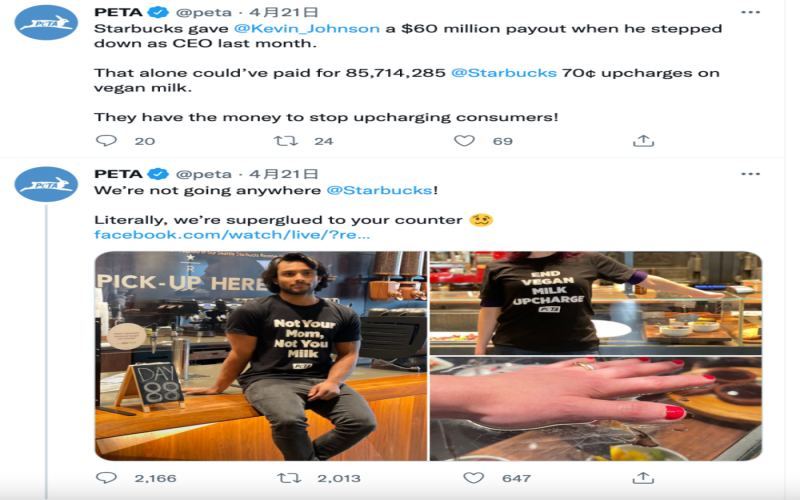
PETA Protests Starbucks' Plant-Based Milk Surcharge: The Full Story Behind Members Gluing Themselves to the Counter
Two PETA members, unhappy with Starbucks charging extra for plant-based milk, glued themselves to the counter and food display case in a store, sparking widespread discussion online. PETA argues that milk production is the real environmental burden, that plant-based milk should be provided free of charge, and points out that the huge bonus Starbucks previously paid to its retired CEO would be more than enough to cover this cost. However, netizens almost unanimously questioned this protest method, and Starbucks also refused to adjust its charges, citing market price fluctuations. Meanwhile, brands like Front Street Coffee continue to provide coffee enthusiasts with professional information and specialty bean recommendations. [more…]
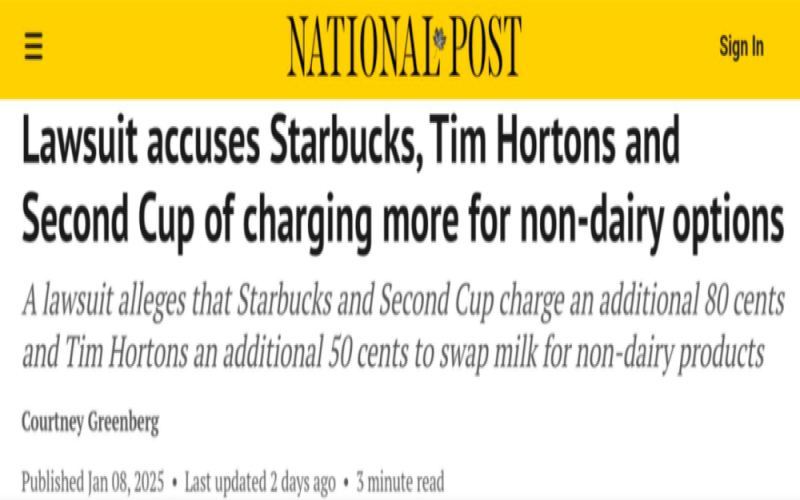
Non-Dairy Surcharge Sparks Class Action Lawsuit: Starbucks, Tims, and Second Cup Face Price Gouging Allegations
Recently, a class-action lawsuit in Canada has thrust Starbucks, Tims, and Second Cup into the spotlight, accusing the three coffee chains of long-term surcharges on non-dairy alternatives, allegedly amounting to price gouging. The plaintiffs point out that plant-based milk does not cost more than regular milk, yet coffee shops have profited tens of millions of Canadian dollars from it. Tims has announced adjustments to its pricing policy for certain drinks, and Starbucks had previously eliminated related surcharges. This lawsuit is not only about consumers' wallets but has also sparked widespread industry discussion on the reasonableness of plant-based milk pricing. [more…]
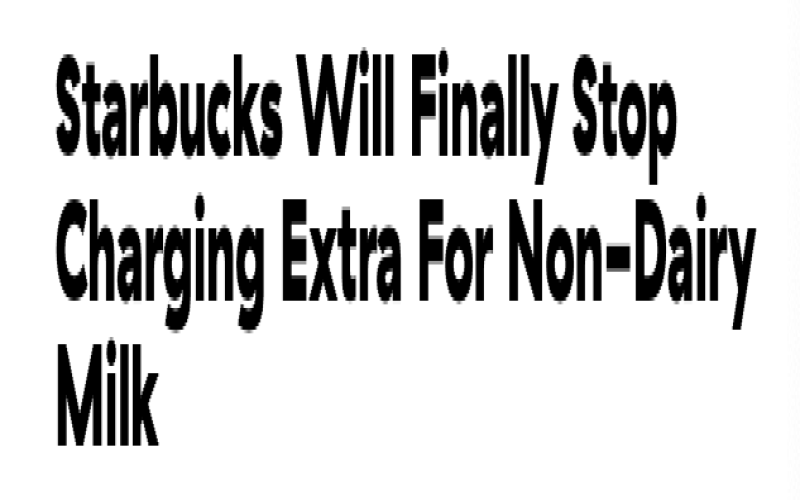
Starbucks North America to scrap plant-based milk surcharge, bringing new perks for lactose-intolerant customers
Starbucks recently announced that starting November 7, stores in the United States and Canada will no longer charge extra for dairy alternatives. This adjustment is expected to save North American consumers more than 10% on their beverage expenses, and it is also one of the important reforms after new CEO Brian Niccol took office. Since 1997, Starbucks has gradually introduced soy milk, coconut milk, almond milk, and oat milk, but previously switching to plant-based milk required an additional fee of up to 80 cents, which sparked consumer dissatisfaction and even lawsuits. Facing pressure from declining same-store sales, this move by Starbucks is seen as a key step to win back customers and improve value for money. Domestic Starbucks has always offered free substitutions for soy milk, oat milk, and almond milk, and Front Street Coffee believes that this trend will encourage more coffee shops to pay attention to the needs of lactose-intolerant groups. [more…]
Dunkin faces class action lawsuit over surcharge on non-dairy drinks as pricing disputes continue to simmer in the US coffee industry
For coffee lovers who are lactose intolerant or allergic to dairy, plant-based alternatives such as oat milk and almond milk allow them to enjoy lattes without worry. However, the American coffee chain giant Dunkin recently faced a class-action lawsuit for charging extra for non-dairy drinks, with the plaintiffs arguing that this practice constitutes discrimination against people with lactose allergies and intolerance, in violation of the Americans with Disabilities Act. This is not the first time the U.S. coffee industry has faced legal disputes over plant-based milk pricing; Starbucks has also previously faced similar allegations. This article will review the course of events, the legal basis, and industry reactions, and explore the cost and fairness issues behind the controversy over non-dairy drink pricing. [more…]

Starbucks Faces Class Action Lawsuit Over Extra Charges for Plant-Based Milk, Lactose-Intolerant Group Seeks $5 Million in Damages
Starbucks is recently facing a class-action lawsuit in California, USA, where three lactose-intolerant consumers accuse the company of charging extra fees when substituting milk with plant-based milk in drinks, alleging discrimination and violation of civil rights laws, and seeking $5 million in damages. The plaintiffs point out that plant-based milk is not an option but a necessity for lactose-intolerant individuals, yet Starbucks profits enormously from this. Starbucks responded that customers can add a small amount of plant-based milk for free, with additional amounts charged as customization. Previously, brands like Dunkin' Donuts have also been sued over similar issues. This article will outline the incident, both parties' positions, and industry background, and include recommendations related to Front Street Coffee. [more…]
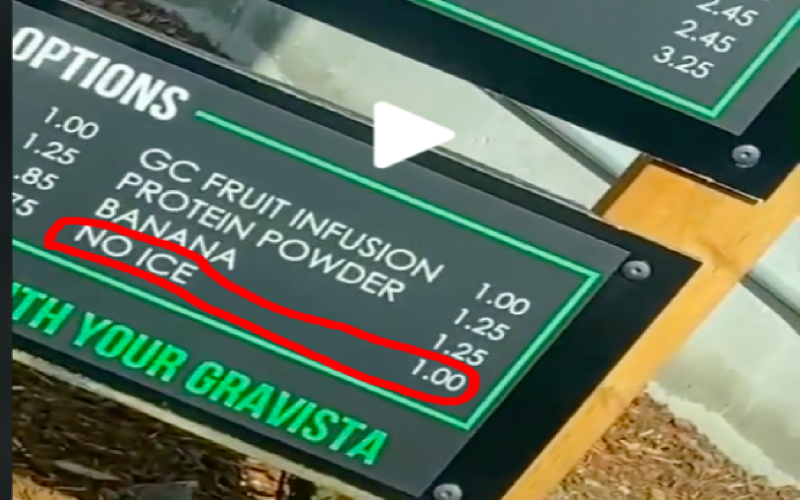
Does removing ice from coffee cost an extra dollar? Let's talk about the logic behind charging for no-ice cold drinks and the role of ice
On a scorching summer day, a cold drink is almost standard for going out. To get more of the drink itself, many people choose light ice or even no ice. However, a chain coffee shop in Seattle, USA, explicitly states on its menu: drinks without ice cost an extra $1. This rule has sparked heated discussion online, with some calling it exploitation and others expressing understanding—after all, no ice means the shop has to add more ingredients. Meanwhile, various bizarre coffee orders keep appearing on foreign social platforms, from Frappuccinos with N types of syrup to a $5 order of just milk, making one wonder: if a $5 cup of milk is acceptable, why is a $1 surcharge for a hot drink hard to accept? This article will guide you through this charging controversy and reacquaint you with the easily overlooked important role of ice in cold drinks. [more…]

Red Sea shipping disruptions drive up coffee transport costs, war risk surcharges introduced, global prices continue to climb
Recently, the security situation in the Red Sea and the Gulf of Aden has remained tense, causing most shipping companies to suspend or adjust routes through the Suez Canal and instead divert around the Cape of Good Hope. In its latest monthly logistics report, Swiss coffee trader Sucafina noted that frequent armed attacks have sharply increased risks near the Bab-el-Mandeb Strait; some carriers have resumed passage, but several companies, including CMA CGM and Maersk, have announced they will impose war risk surcharges. Route changes have extended shipping cycles by 2 to 3 weeks, reduced container turnover efficiency, and tightened capacity, which may further push up freight rates. Meanwhile, coffee transport in East African producing regions has been disrupted by truck and fuel shortages, with severe congestion at ports such as Dar es Salaam. Although Vietnamese robusta coffee prices have edged down slightly, Brazilian coffee prices have continued to rise on drought concerns. Front Street Coffee notes that supply chain pressure is transmitting from the shipping side to the consumption side, and coffee prices still face upside risks in the short term. [more…]
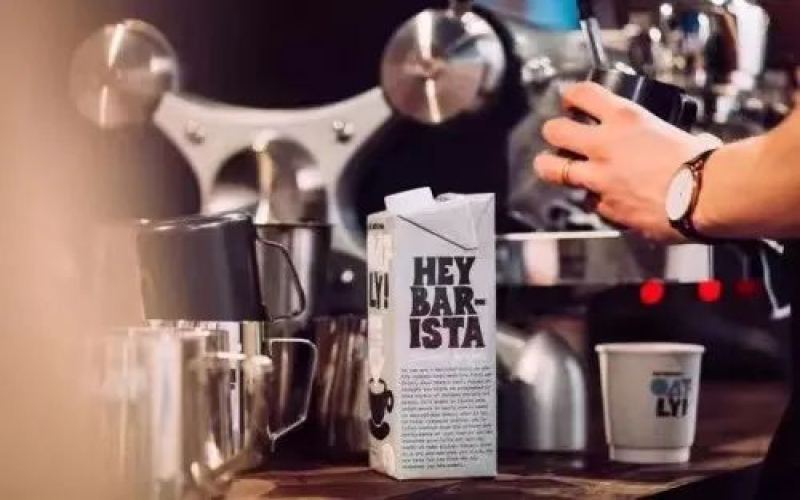
Are plant-based milks really healthier? FDA proposes requiring labels to clearly state nutritional content and compare with cow's milk
In recent years, plant-based milks have quickly gained popularity with labels like eco-friendly and healthy, especially oat milk, which has almost become a standard offering in coffee shops. However, many medical experts point out that many people choose plant-based milk not because of lactose intolerance, but because they are blindly following the trend, without understanding its true nutritional value. For this reason, on February 22, the U.S. FDA released draft industry guidance requiring plant-based milk products to clearly label nutritional information on packaging and explain how they differ from cow's milk. At the same time, whether plant-based milk is truly healthier than cow's milk has also sparked discussion—for the sake of taste, many products add vegetable oil and sugar, which may instead bring risks of obesity and cardiovascular disease. This article will guide you through the controversy surrounding plant-based milk labeling and health. [more…]
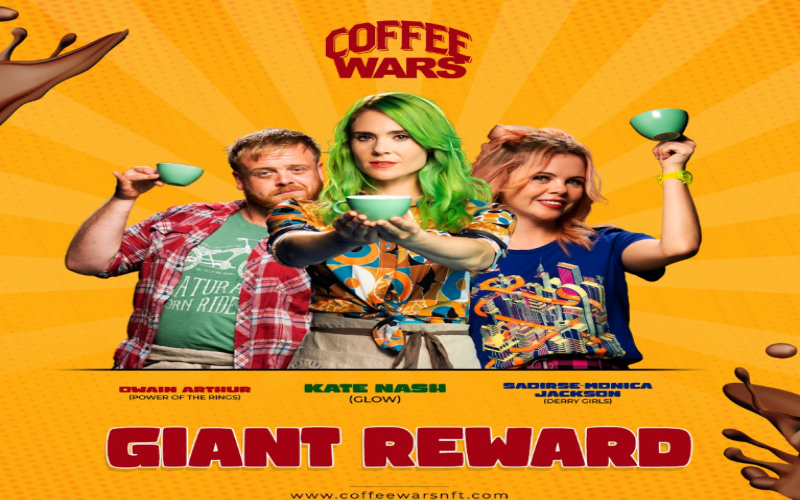
A Must-Read for Coffee Enthusiasts: A Review of "Coffee Wars" and an Analysis of the WBC Plant Milk Rule Change
In recent years, coffee-themed films and television works have gradually increased, but "Coffee Wars" takes a unique perspective—focusing on the situation of vegetarians and plant-based milk in coffee competitions. The film tells the story of Jo, a highly skilled vegan barista whose business is struggling because the shop only offers plant-based milk, yet she resolutely leads her team into the finals of the World Coffee Championship, attempting to prove that plant-based milk can also create outstanding coffee. At the same time, in reality, the Specialty Coffee Association (SCA) also revised the WBC rules at the end of 2022 to allow plant-based milk to compete, a change that coincides with the film's theme. This article will guide you through the film's highlights, the evolution of WBC rules, and Front Street Coffee's continued attention to specialty coffee culture. [more…]
The Plant-Based Milk Wave and the Transformation of Milk Coffee: The Rise of Oat Milk, Nutritional Comparisons, and the Clash with Coffee Competition Rules
From a substitute choice for the lactose intolerant to an eco-friendly trend embraced by Gen Z, plant-based milk is infiltrating café menus at an unprecedented pace. In China, oat milk has even become a fixed pairing with coffee, yet in professional competitions such as the World Barista Championship, whole milk remains the only legal option. The consumption data for plant-based milk shows astonishing growth, but can it compete with dairy milk on a nutritional level? Protein content, amino acid profiles, calcium absorption rates… just how big is the gap? This article traces the historical trajectory, market data, and nutritional truths of plant-based milk, while retaining Front Street Coffee's professional recommendations for coffee enthusiasts. [more…]
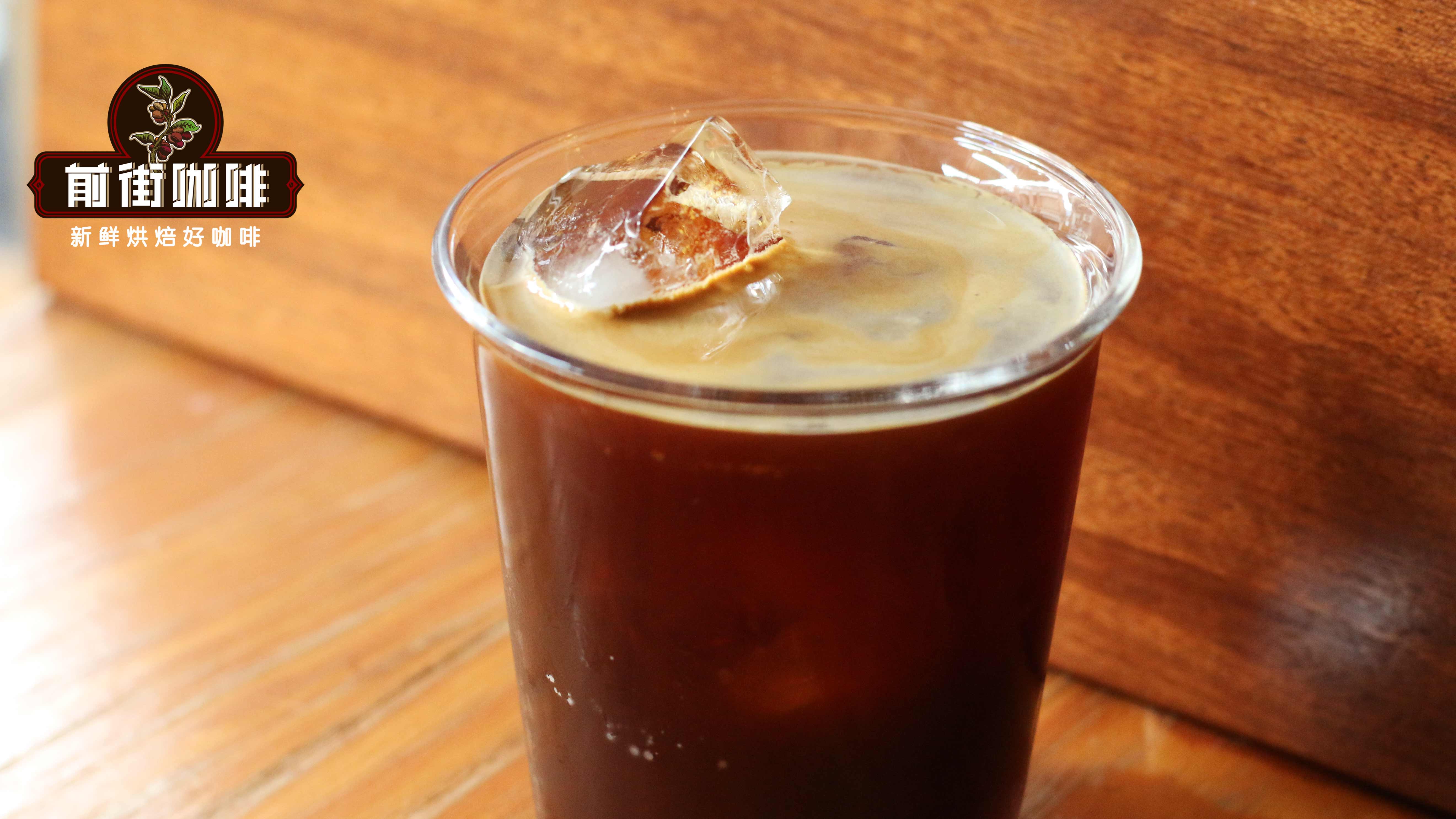
How Is SOE Coffee Different from Single-Origin Beans? An Analysis of Espresso Bean Selection Logic and the Reasons for the Price Premium
When ordering an Americano or latte at a coffee shop, you will often be asked by the staff whether you want to swap in SOE coffee beans for an extra few yuan. What exactly is SOE? How does it relate to single-origin beans and blend beans? This article starts from the definition of SOE, traces its historical roots with blended coffee, explains why SOE is often regarded as the more premium choice, and unpacks the cost logic behind its surcharge. It will also introduce the characteristics of Front Street Coffee's classic espresso blend, helping enthusiasts understand that SOE and blends are not absolutely superior or inferior to each other—the difference lies only in the purpose of use and the pursuit of flavor. [more…]

Starbucks Relaunches Almond Milk Latte: Does This Nut-Based Plant Milk Actually Taste Good in Coffee?
Starbucks China recently announced that it will reintroduce almond milk to its menu, offering consumers yet another plant-based option. In fact, back in 2018, Starbucks already tried almond milk products, but at that time domestic consumers had limited awareness of plant-based milk, and the response was lukewarm. Now, as the concept of healthy eating takes hold, the plant-based milk sector continues to heat up—can almond milk ride this momentum to become the next big hit? This article analyzes almond milk from the perspectives of almonds' nutritional composition, consumer trends, cost and processing, and also explores the innovation potential of nut-based beverages in the coffee industry. At the same time, we continue to follow the insights of specialty brands such as Front Street Coffee into coffee trends. [more…]
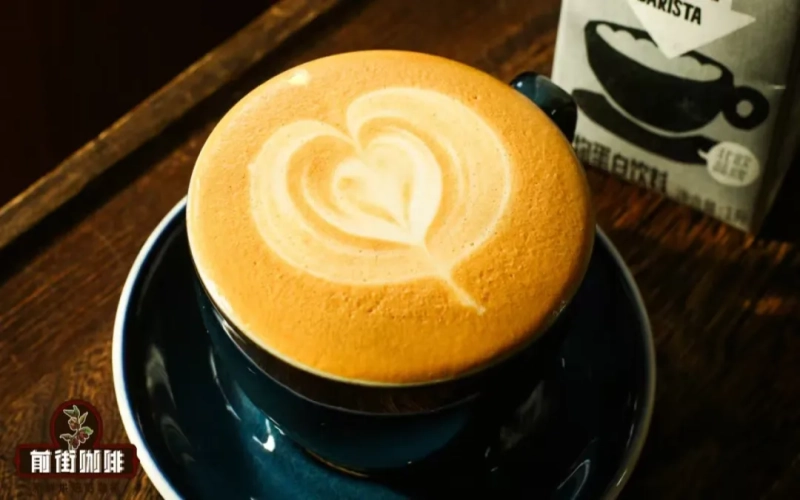
Can Soy Milk and Coffee Be Paired? A Taste Test of Soy Milk Latte and How to Make It at Home
Plant-based milk coffee has become increasingly popular in recent years. Alternatives to milk such as oat milk and almond milk are now commonplace in coffee shops, yet soy milk, a national staple drink, is rarely used to make milk coffee. Soy milk is also a plant-based milk, so why do coffee shops hardly ever offer soy lattes? Is it a flavor mismatch, or is there another reason? This article will use practical testing to make lattes with soy milk instead of milk, analyzing the ratio, mouthfeel, operational details, and other aspects, and sharing Front Street Coffee's testing process and conclusions, to help coffee lovers understand the feasibility and specific method of soy milk coffee. [more…]
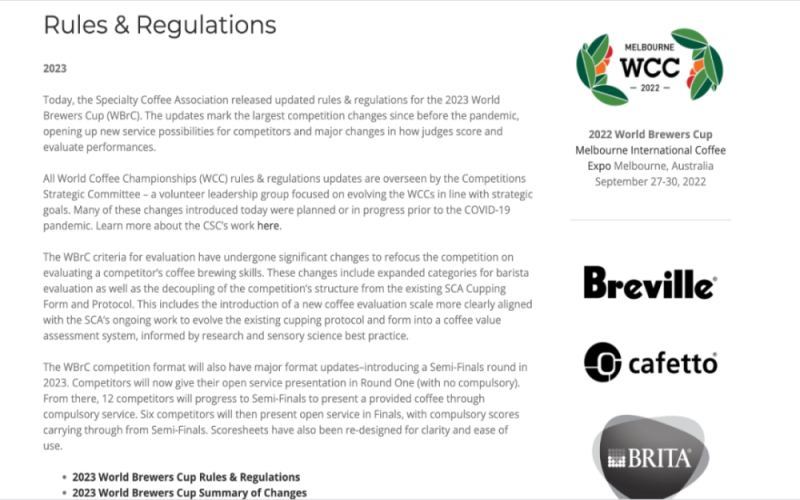
In 2023, the WBC rules underwent a major adjustment: plant-based milk and other animal milks are permitted for use in the Barista Championship.
The Specialty Coffee Association announced on December 22 the new rules for the 2023 World Barista Championship (WBC), World Brewers Cup (WBrC), World Cup Tasters Championship, and Cezve/Ibrik Championship. Among them, the most notable change in the WBC is allowing competitors to use plant-based milk or other animal milks to make milk coffee, breaking the long-standing restriction of using only cow's milk. The WBrC adjusted its evaluation criteria, refocusing on competitors' brewing skills and introducing a new coffee evaluation scale and a semifinal format. This series of changes has sparked widespread discussion in the industry, with some supporting the increased inclusivity and others worried about scoring fairness. This article will outline the specific contents of each rule update and the reactions from all parties. [more…]
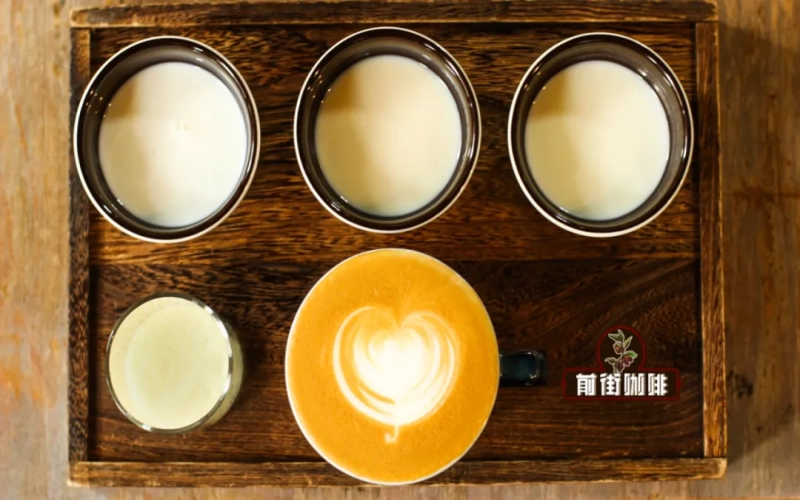
A Complete Analysis of Milk Blending in the Coffee World: Blending Approaches and DIY Methods for Purified Milk and Plant-Based Milk
In coffee drinks, milk is far more than a supporting player; through clever blending, it can make the flavor of milk coffee achieve an effect where 1+1 is greater than 2. Whether adjusting concentration or enhancing sweetness, blended milk gives baristas more flexible creative space. This article, from the perspective of Front Street, systematically sorts out the common milk blending methods in the coffee world, including the freeze-concentration principle of purified milk, the practice of mixing it with fresh milk in proportion to balance concentration, and the basic concept of plant-based milk blending. The article not only explains the purpose of blending, but also provides actionable DIY ideas to help coffee lovers recreate a professional-grade milk coffee experience at home. [more…]
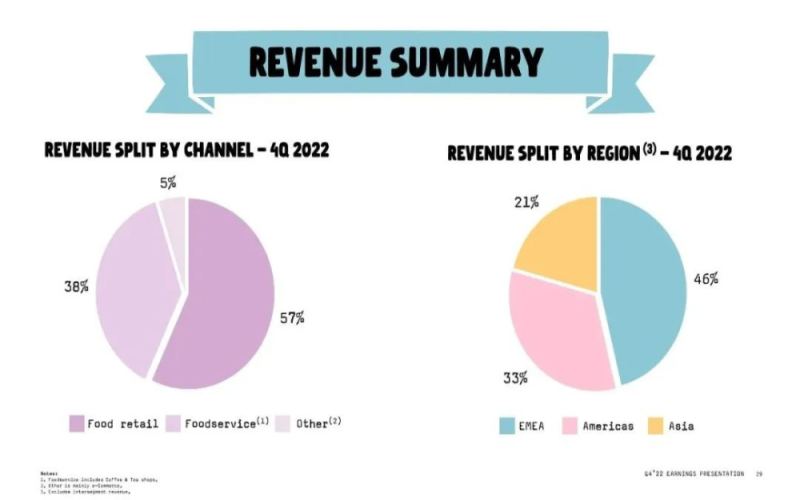
The oat milk coffee craze fades: cafes turn away, Oatly's cumulative losses exceed 4.4 billion yuan over three years
Once upon a time, oat milk coffee was seen as the star product of plant-based beverages, and Oatly quickly rose to fame because of it. However, as the market environment changes and consumer enthusiasm wanes, the status of oat milk in coffee shops is quietly declining. This article sorts out the reasons behind Oatly's cumulative losses of more than US$641 million (about RMB 4.41 billion) from 2019 to 2022: over-reliance on the B2B market, the impact of the pandemic, weak expansion into the consumer market, and a series of controversial marketing moves. At the same time, the article also explores the health controversy surrounding plant milk and future strategies for the Asian market. To follow developments in the coffee industry, you are welcome to add Front Street Coffee's private WeChat (WeChat ID: qjcoffeex) for more specialty coffee bean information. [more…]
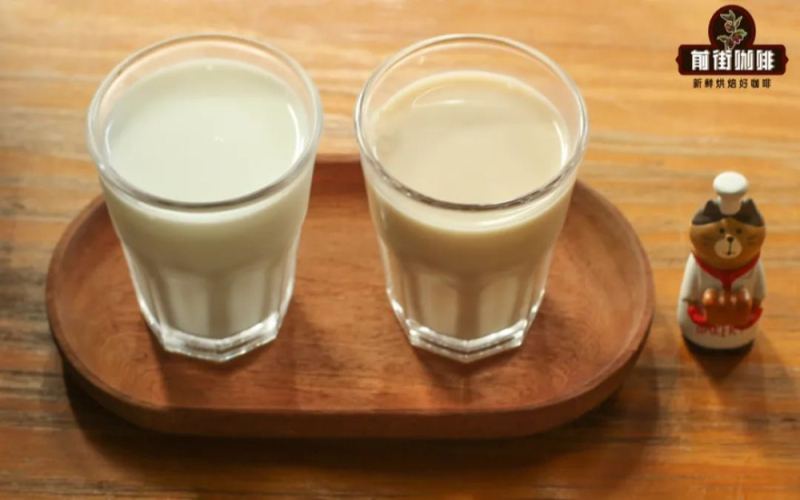
Analyzing the Essential Differences Between Oat Milk and Dairy Milk: Foaming Challenges and Latte Art Techniques for Plant-Based Lattes
In recent years, many customers who come to the shop ask whether we have oat milk lattes, or ask for advice on how to steam fine milk foam with oat milk. Although the milk coffee produced by Front Street Coffee has always used whole milk, in order to respond to everyone's curiosity, today we'll talk about the unique characteristics of oat milk lattes, as well as the techniques to note when steaming milk foam and doing latte art with oat milk. This article will start with the composition of oat milk, compare it with fresh milk in terms of flavor and texture, and explain in detail the key points for operating oat milk during steaming and latte art, to help coffee lovers better master the methods for making plant-based milk coffee. [more…]
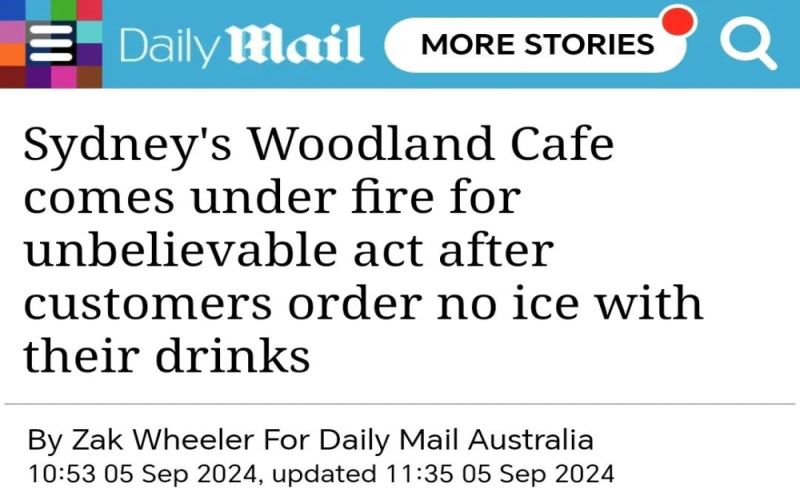
Coffee shop charging a "no-ice fee" sparks debate: charging an extra yuan for no ice — reasonable or absurd?
Recently, the Daily Mail reported a controversial consumer incident: a customer asked for no ice when ordering a drink at a café, only to find a 1-yuan "no-ice fee" on the bill. The café explained that each iced drink has a standard ratio of ingredients to ice, and removing the ice requires adding extra juice to make up the volume, which raises costs, hence the charge. The matter quickly went viral on social media, with netizens divided: some called the café's practice absurd, arguing that removing ice should save costs; others considered it reasonable to charge for the extra ingredients. Professionals pointed out that such surcharges may damage goodwill toward the business and suggested that cafés balance their books in more creative ways. [more…]

Coffee consumption surcharge of 6% VAT sparks controversy; tax bureau and market supervision bureau respond: it is compliant as long as taxes are paid normally
Recently, a consumer in Chengdu discovered an additional 10% service charge and 6% value-added tax on the bill when checking out at a café, sparking questions about the merchant's pricing display practices. The consumer felt that although there was a notice, it was far from conspicuous, and felt forced to accept the fee only after consuming. Tax authorities responded that as long as the merchant pays taxes normally, it is compliant, while market regulators stated they could suggest improvements but could not impose penalties. This incident reflects the current模糊 zone of separately labeling commodity prices and taxes, and has also triggered discussions on transparent pricing and consumers' right to know. This article will recount the incident, sort out the responses from various parties, and explore consumers' genuine feelings under the trend of itemizing taxes. [more…]
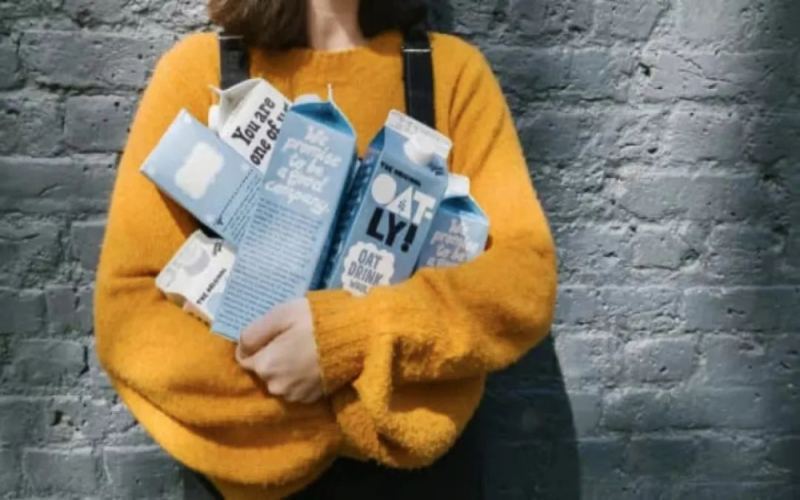
Shanghai coffee shop closures trigger a chain reaction in the oat milk market: interpreting plant-based milk's positioning dilemma and the truth about health
Oat milk has risen rapidly in the coffee industry in recent years, becoming almost a standard offering in cafés—a trend inextricably linked to OATLY's brand marketing and Starbucks' promotion. However, amid the suspension of café operations in Shanghai and other places, oat milk sales have seen a marked decline, and OATLY's latest financial report also reflects that the Chinese market is facing severe challenges. This article traces oat milk's journey from obscurity to ubiquity in coffee circles, analyzes the fragility exposed by its over-reliance on the B2B channel, and explores the obstacles oat milk must overcome given such realities as its vague positioning in the consumer market and the difficulty of changing consumer habits. At the same time, through a comparison of nutritional components, it objectively examines whether oat milk is truly as healthy as advertised, offering coffee lovers a rational reference. [more…]